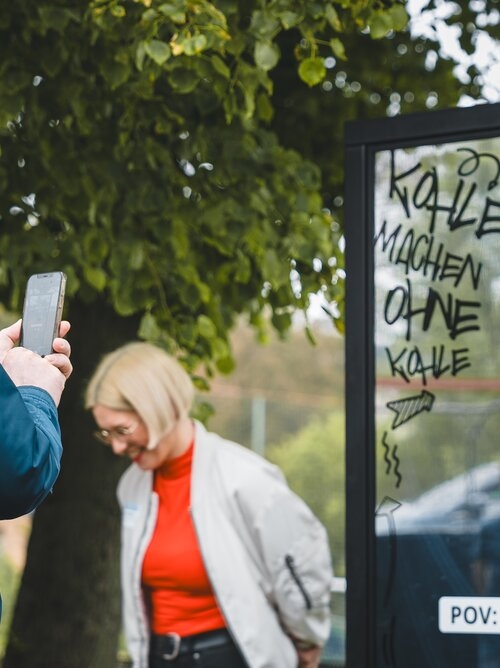
Our strategy doesn’t come off the shelf – it comes out of the workshop. Together with the DKJS and the Saxon state ministry, we tinkered with the right tone in a co-creative ideas workshop. The DKJS didn’t sit on the sidelines, it was right in the thick of it. Before anything went to print, we ran a reality check with the people it’s actually about. Interns, school students and family members from the DKJS’s circle honestly picked our ideas apart with no filter. Exactly the feedback you need before the posters go up in 127 schools.
DKJS – POV: This Is Our Turf
In 2038, coal clocks out for good. Across the Lusatian and Central German mining regions, everything that shaped generations is being rebuilt. Jobs, landscapes, life plans. Growing up here means growing up right in the middle of structural change. Trouble is, hardly anyone feels it’s about them – the term alone sounds like red tape and meeting minutes. The Deutsche Kinder- und Jugendstiftung Sachsen set out to change that. Our job: build a campaign young people wouldn’t swipe away in a heartbeat. Covering two entire regions, with a look and tone that doesn’t sound like adults trying to be young. From the first strategy session all the way to the streets.
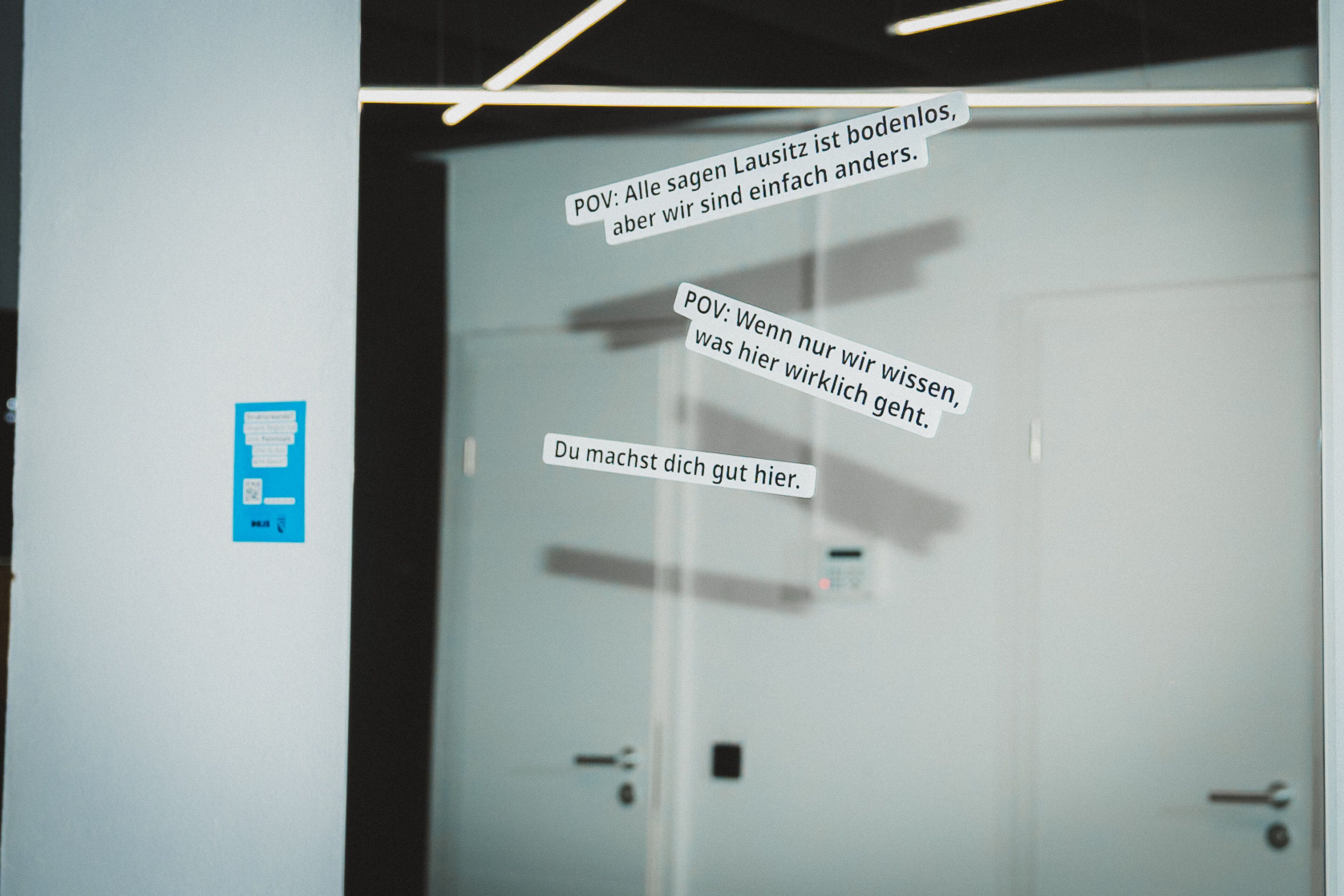
Together, we landed on something nobody had on their radar going in. The target group thinks in TikTok logic – and yet a social media campaign is the wrong call. In the feed, structural change would have to go up against dance challenges, gaming clips and your best friend’s life. Hardly a fair fight. Same logic, different stage. Under the motto “POV: Wir im Revier” (POV: This is our turf), we pulled TikTok out of the phone and into public space. We took POV literally and made mirror foil the creative heart of it all. Look at a poster and you see yourself. And suddenly you’re in the middle of a story that really is your own.
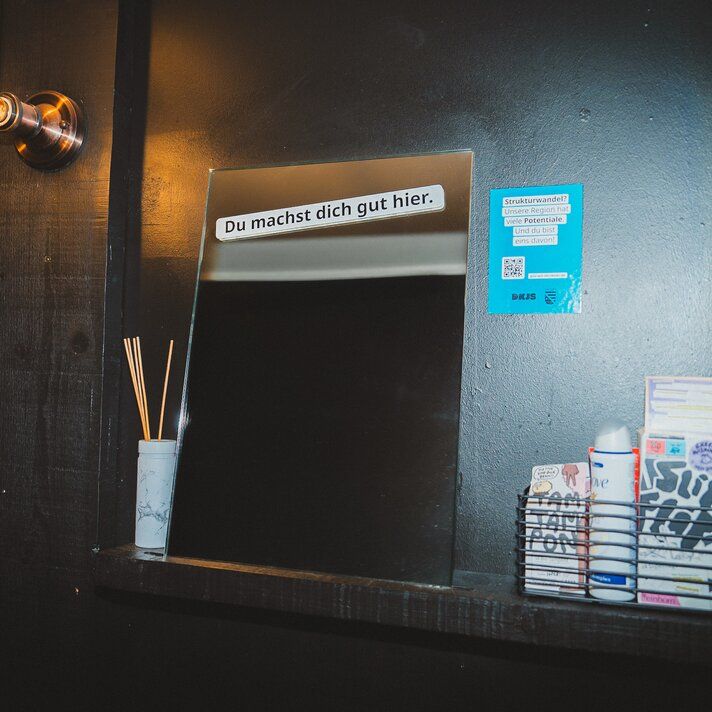
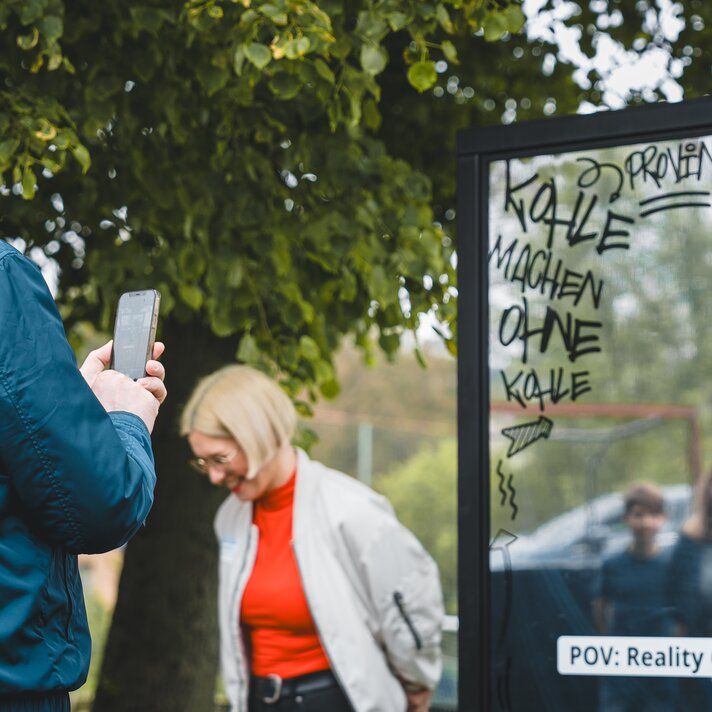
Which leaves one question: where do you even put up posters in rural coal country? Billboards are few and far between out here. The answer was hiding in plain sight – wherever young people already spend their days. Posters went up in 127 schools, postcard sets made the rounds from hand to hand. Mirror stickers popped up in school bathrooms and shopping malls, arguably the most honest places to check your reflection. Selfie points waited outside shop windows, and the campaign hopped aboard regional trains via digital out-of-home. We showed up live at the Break the Rules Festival at Bärwalder See and the Fokus Festival in Görlitz. And via the landing page, anyone could order the materials themselves in a few clicks.
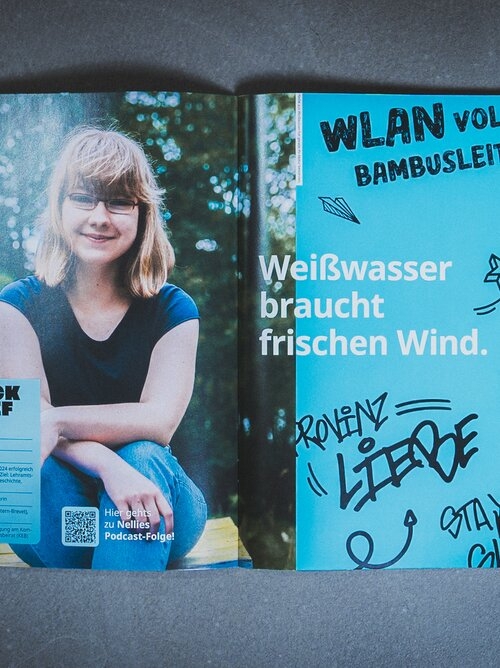
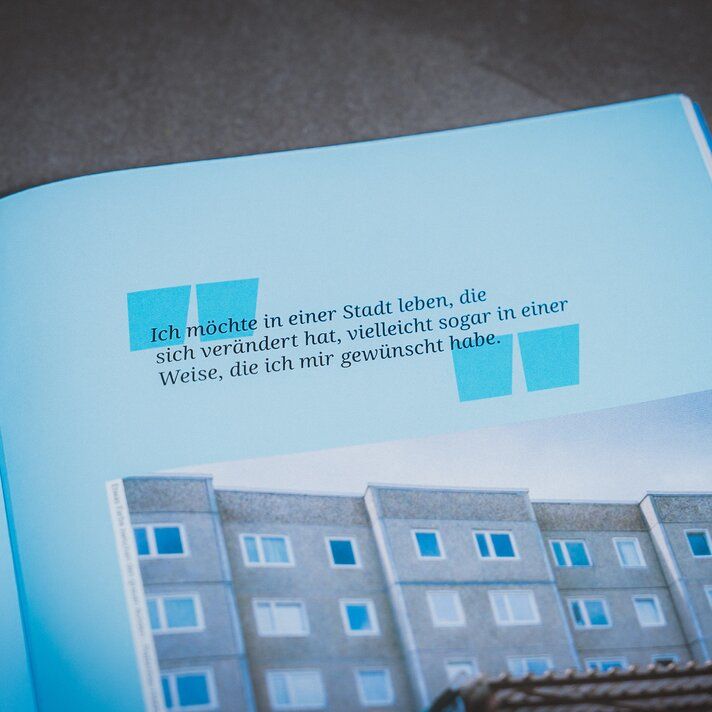
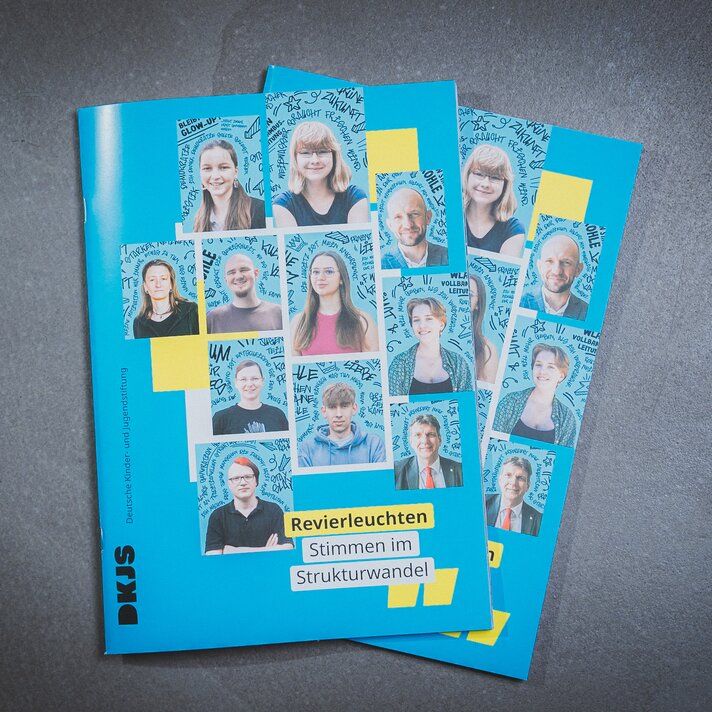
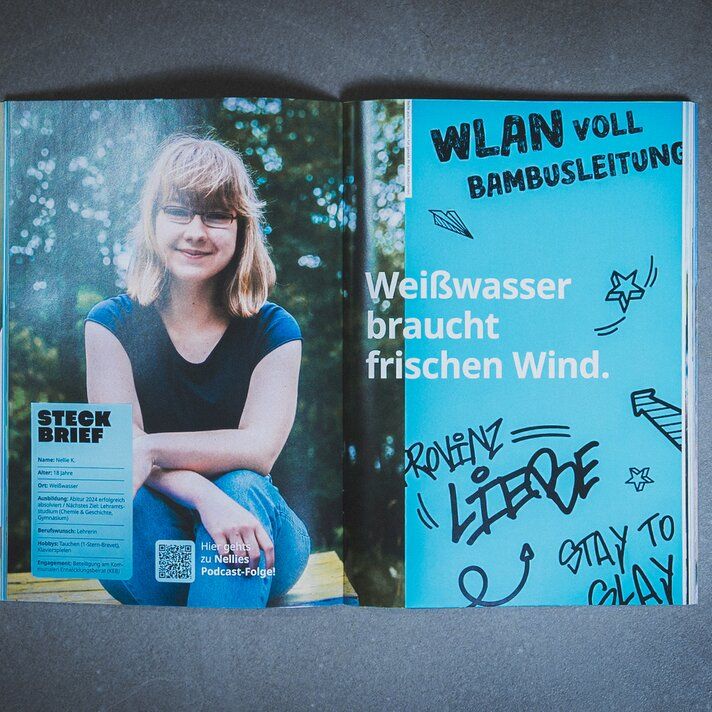
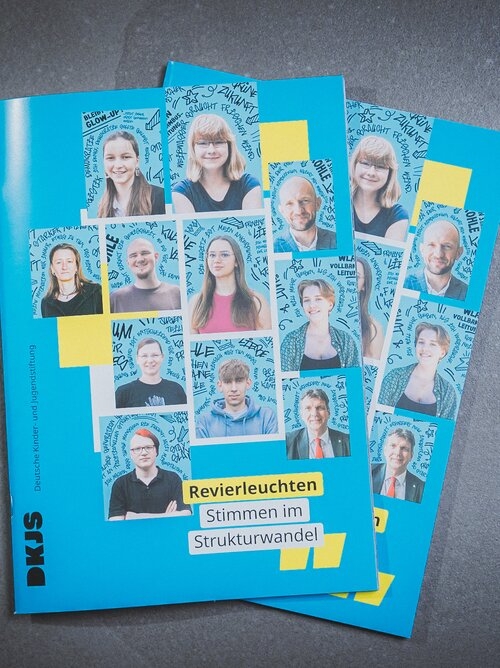
To round things off, the campaign got a face – make that lots of faces. The magazine “Revierleuchten” portrays young people from the region who tell, in their own words, how they see their home turf and what structural change means to them. Alongside them: voices from politics, administration, trade unions and social work. This isn’t adults talking about young people – it’s young people speaking for themselves. Rather listen than read? Pop in your earbuds. In the podcast of the same name from the DKJS initiative #MISSION2038, committed young voices from both regions get the mic.
There were no hard KPIs by design, as this was built as an information campaign. What really mattered came back from the region: plenty of appreciation that a campaign on structural change exists at all, and supporters who placed materials, some of them free of charge. Thanks to targeted school marketing, the campaign showed up exactly where classic OOH barely stands a chance. And anyone who looked into one of our mirrors looked structural change straight in the eye.
Our strategy doesn’t come off the shelf – it comes out of the workshop. Together with the DKJS and the Saxon state ministry, we tinkered with the right tone in a co-creative ideas workshop. The DKJS didn’t sit on the sidelines, it was right in the thick of it. Before anything went to print, we ran a reality check with the people it’s actually about. Interns, school students and family members from the DKJS’s circle honestly picked our ideas apart with no filter. Exactly the feedback you need before the posters go up in 127 schools.
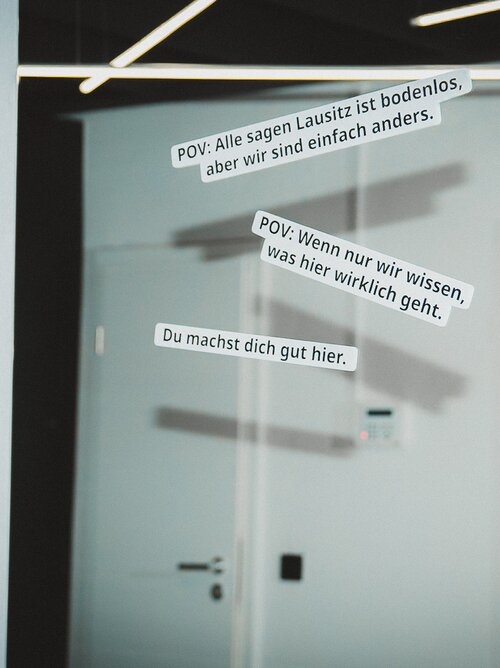
Together, we landed on something nobody had on their radar going in. The target group thinks in TikTok logic – and yet a social media campaign is the wrong call. In the feed, structural change would have to go up against dance challenges, gaming clips and your best friend’s life. Hardly a fair fight. Same logic, different stage. Under the motto “POV: Wir im Revier” (POV: This is our turf), we pulled TikTok out of the phone and into public space. We took POV literally and made mirror foil the creative heart of it all. Look at a poster and you see yourself. And suddenly you’re in the middle of a story that really is your own.
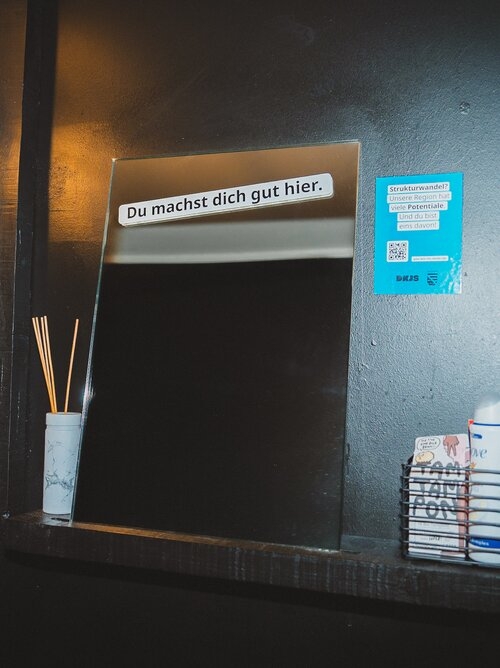
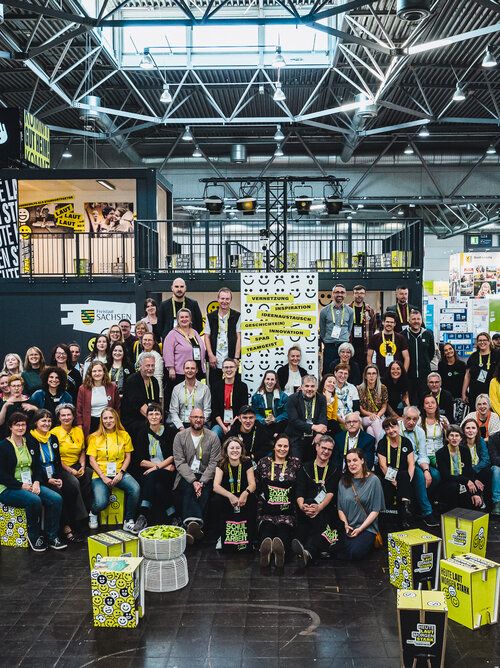
Which leaves one question: where do you even put up posters in rural coal country? Billboards are few and far between out here. The answer was hiding in plain sight – wherever young people already spend their days. Posters went up in 127 schools, postcard sets made the rounds from hand to hand. Mirror stickers popped up in school bathrooms and shopping malls, arguably the most honest places to check your reflection. Selfie points waited outside shop windows, and the campaign hopped aboard regional trains via digital out-of-home. We showed up live at the Break the Rules Festival at Bärwalder See and the Fokus Festival in Görlitz. And via the landing page, anyone could order the materials themselves in a few clicks.
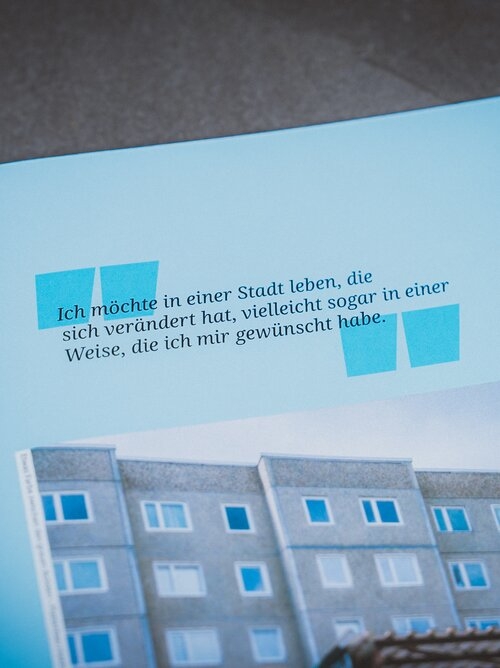
To round things off, the campaign got a face – make that lots of faces. The magazine “Revierleuchten” portrays young people from the region who tell, in their own words, how they see their home turf and what structural change means to them. Alongside them: voices from politics, administration, trade unions and social work. This isn’t adults talking about young people – it’s young people speaking for themselves. Rather listen than read? Pop in your earbuds. In the podcast of the same name from the DKJS initiative #MISSION2038, committed young voices from both regions get the mic.
There were no hard KPIs by design, as this was built as an information campaign. What really mattered came back from the region: plenty of appreciation that a campaign on structural change exists at all, and supporters who placed materials, some of them free of charge. Thanks to targeted school marketing, the campaign showed up exactly where classic OOH barely stands a chance. And anyone who looked into one of our mirrors looked structural change straight in the eye.